Tuesday, May 3, 2016

Interview with Susan George

Political and social activist

Published in El Punt Avui newspaper in April 28, 2016

http://www.elpuntavui.cat/politica/article/17-politica/962388-lobama-ha-defraudat-moltes-esperancesr.html


PROFILE

Susan George (Akron, Ohio, 1934) is an American/French political and social scientist and activist. She has written several books on global social justice, third world poverty, underdevelopment and debt, including the acclaimed "Lugano Report:On Preserving Capitalism in the Twenty-First Century"  (1999,) in which she explains her vision of the way the winners in the globalisation game profit from poverty.

Susan George was in Barcelona last week participating in the 4th edition of the "International seminar on sharing the planet: building a biocivilization".


Full version

"The TTIP is a huge threat against the entire democratic structure that we have built up and particularly the freedoms that we have gained since the war"

"Austerity policies in Europe do exactly what they were set up to do, which is to transfer money from the people to the 1%: they work very well!"

"Our economy fails because people don't have a dime, they don't have an euro to spend on anything but the rent, the groceries and shoes for the children, the basic necessities. But again, this is policy, that's why we have to get control of the State, it's the only way to change"

"Bernie Sanders is a real social democrat. He has a perfectly sound programme: he wants health insurance for everybody, which Obamacare did not accomplish, and free tuition at the public universities. He has a perfectly feasable programme and who pays for it"


A.B. - Last week US President Barack Obama and Germany's Chancellor Angela Merkel called jointly for a TTIP deal (Transatlantic Trade and Investment Partnership) to be concluded this year. However, since TTIP negotiations began, the process has been secretive and undemocratic. Social organizations denounce that the TTIP means an assault on European and US societies by transnational corporations. What's your view about this treaty? Do you think that it will be finally approved and implemented?

S.G. - There is a large movement in Europe which will do everything possible, everything we can do as a civil society, to prevent it from being approved and to give the leadership the idea that they will be dead if they pass this thing. Since Germany is the strongest of the societies against the TTIP and since Germany is also the largest and most powerful European state, I think we've got a chance. The movement is also growing in the United States although for the moment they are concentrating on the TTP (Pacific treaty) which has got most of the same features as the TTIP.

So, I certainly hope we can defeat it. I know the background of it. In my book "Los Usurpadores", I explore the origins of the TTIP and it was entirely planned by transnational corporations. They've been planning it since the early 1990s. Because we defeated the MAI (Multilateral Agreement on Investment), they have been trying to get something like that ever since that was defeated. So they got together within the transatlantic business dialogue and then that has morphed into a much larger and powerful structure called the Transatlantic Economic Council, which is political. They say on their website: 'We are a political organization and our goal is to harmonize (which means merge) the economies of the United States and Europe'.

And I don't know any European who ever voted to merge the economy with the United States, which means being dominated by the United States because we are very split-up, we don't have a federal government, so we would be totally dominated and that is what the TTIP is going for now. I think it is a huge threat to democracy. They are going to threaten the judiciary. I'm sure about tribunals of private lawyers who will decide, with no appeal, that a state has committed a crime because it's costly, you have to pay if they pass a law which some companies can show has been a threat to their present or future profits.

So, threatening the judiciary, threatening the legislative branch, because they want to take over regulatory collaboration and that sounds good, but what it means is that it would be the corporations together that would be regulating and since for them every extra test, every extra safeguard for the public or for the environement means it costs them a little more, so they want the lowest common denominator on regulation.

I'll give you an example: The Europeans have banned 1,200 chemicals under the REACH directive. The Americans, in the same period of time, have banned 5 or 6. So there are lots of dangerous chemicals in the environment and in products and things you don't even know that are there in the United States because they don't require labelling.

It's also a blow against the executive because if a country, especially a smaller country like Slovakia or a weaker country less rich than France or Germany or even Spain, is threateaned with a whole lot of lawsuits they would say 'Well, I would like to do something about the environment, I would like to pass a law..." This happened in Spain. Spaniards have given up on subsidies for solar plants. They were threatened with lawsuits, and the Spanish really I think went too far, but instead of having a climate-friendly law, we have more fossil fuels. And that is what they will insist on and they have so much money that they can do it.

Chevron won a case like that for drilling in Ecuador. Chevron is a very large oil company and they said their trial was about drilling in a protected area for oil and the Ecuadorian government said 'No' and they said 'Yes' because when we came here we had the reasonable expectation that we could drill anywhere in the country. So they won. And they won an award of 1,8 billion dollars. So Ecuador is not exactly a rich country.

So it's a threat against the entire democratic structure that we have built up and particularly the freedoms that we have gained since the war and, for a country like Spain, which only began to do this after the death of Franco, I think it could be devastating.

Explain this to the Spaniards and the Catalans so that they can react against it because, unless we get the people, the corporations and our governments are for it, altough France and Germany have both said that if it contains the private tribunals system they will stop it. But who knows, we never know if they are lying or not. I don't believe what they say.

A.B. - Since the last global financial crisis began, Europeans have been living under the austerity policies dictated by Germany and the European Comission. But the economy is not growing and the national debts (and the social inequalities) are increasing. What should happen to realise that these policies don't work?

S.G. - They do exactly what they were set up to do, which is to transfer money from the people to the 1%: they work very well!. That's why they privatize everything, that was the whole point of the same policies in Latin America. Every year the World Bank publishes pages and pages of companies that have been privatised. There are always 1,400-1,500 of them.

Look at Greece. Greece got a memorandum saying "you have to privatize this, this, this and that", whether it was profitable or not. They privatized the lottery because the lottery was bringing in half a billion euros every year, which is quite a nice return, and nobody cared, they have to sell it at whatever was offered and what was offered was quite a small sum and they had to sell it anyway.

They sold all the regional airports to a German company and there were many more things on that list. So it works very well. The people suffer but it looks very well for the policies that work, that are dictated. So, of course it's terrible and, as Yannis Varoufakis says, they were going after Greece because it was the easiest target, but now it's going to be Spain's turn and they are ultimately looking at France because France is pretty heavily indebted. And already France is close to a 100% of GDP of indebtedness and that's the danger point.

And François Hollande has just signed up for this terrible labour law which is exactly what Medef (the enterprise directors) wants. They wanted this law and they have been going for it for many years. So he signed up for it and he calls that checking a box but now, fortunately, people are reacting, they are in the streets, in the Place de la République in the Nuit Debout and we don't know what is going to happen, but for the first time since I've lived in France which is nearly 60 years, the students and the trade unions have come together in a common programme and it wasn't even like that in 1968.

So, that is an example of how the governments check the box that's on the European list, that it's almost identical to what the European Comission was asking for. So this is going to continue so long as we don't elect governments which can just say "No". We need civilian disobedience on the part of governments. So here it's Podemos, obviously

A.B. - Let's look at the current situation in Europe: economic crisis, rising unemployment, the threat of djihadist terrorism, the fears before the flow of migrants and refugees, the rise of far-right parties...What future do you foresee for Europe?

S.G. - I think that depends on the way our governments and Europe go. If they continue to govern only in favour of transnational corporations and the very richest people and do everything they can to increase that wealth and everything they can to deprive people, of course we try PSOE, we try PP and nothing happens and so le'ts try the far-right.

We are in deep danger. Shortly, Marine Le Pen is going to be one of the two run-off candidates in the presidential elections next year and you have got elections in June. I don't know who is going to win those but I'm certainly hoping that Podemos wins because I think that that's the only way, because is the only party that would challenge Europe and they have to have the political strength to do that. I think it's the only way to avoid all your point in your question

A.B. - The so-called Panama papers are the latest big scandal concerning capitalism. There is the feeling that corruption is part of the system and that rich people will always manage to keep their money safe and to get richer and richer...
S.G. - That depends on the law and the law depends on the State. "The Guardian" announced that on the 9th of May they are going to publish a huge lot of the Panama papers which have not yet been published and in which they will identify individuals, they will identify corporations and we are going to have some fun there, that will be very interesting.

Yesterday the trial of a young man called Antoine Deltour began in Luxemburg. He was the whistleblower, he was the man who exposed the Luxleaks and Jean-Claude Juncker, our beloved president, was prime minister during that whole period that they were making these agreements with transnational corporations. So he organised it, you can't say that he wasn't aware...So should he be on trial or should Antoine Deltour be on trial?

He didn't make any money of it, he didn't ask for money, he just wanted this to become public because he thought it was very bad for democracy, which is true, and he gave the papers to a French journalist of the France-2, which is a public television channel, and he denounced for anything and now he is threatened with 5 years in prison and a fine of over a milion euros. You couldn't even make that in salaries in 15, 20, 30 years...


A.B. It's clear, then, that there is something that doesn't work...

S.G. - Again, it works! It depends who is in charge and what they want. For the last 30 years we had been in the neoliberal period, which was set up by the United States and then travelled everywhere in the world. And now, all the governments are neoliberal either because they had to become that because of the IMF or other pressures, or because they really believe it, like the Germans. The Germans are perfectly ok: they are exporting and they have large surpluses and they never stop to consider that if one has surpluses, somebody else has to have deficits

Neoliberalism is their doctrine: the market should be unfettered, regulations should be kept to absolute minimum, reduce taxes on the rich because then they will invest, which they do, but they invest in the financial markets. Why bother to sit around to invest in a factory? I can make much more money in the financial markets and much faster. So, yes, they do invest because they are the ones who have got the cash.

Our economy fails because people don't have a dime, they don't have an euro to spend on anything but the rent, the groceries and shoes for the children, the basic necessities. But again, this is policy, that's why we have to get control of the State, it's the only way to change. We can protest all we like and that helps, and that's good, and the movement is coming together on that. It's very important that social movements come together politically.


A.B. - Even though he probably won't be the next Democratic candidate to the White House, how do you explain the success of Bernie Sanders because, in a way, he has succeeded, hasn't he?

S.G. - Oh yes, because when he started, nobody outside Vermont, New Hampshire and a few other political junkies, people like me, knew who he was. He appeals to young people because he's a social democrat if you like. He says he's a democratic socialist but he is really a social democrat with a real social democratic programme of hospitals, schools.

He has a perfectly sound programme, he wants health insurance for everybody, which Obamacare did not accomplish; he wants free tuition at the public universities and still be private universities, there will still be private hospitals, but he has a perfectly feasable programme and who pays for it, by going back to a United States like in the 1960s and early 1970s.

Nobody remembers that Eisenhower, a Republican president, was taxing the top income slice of the income tax law. The top slice was at 90%. I don't see the point of having 62 people in the world who have the same amount of assets as one half of the world population.

Sanders is talking simple common sense and the Americans have been very slow. They haven't travelled, so they don't know that in Europe it's perfectly normal to have a free university and so when the kids knew this they loved it. It's partly the all left resurgence, because there wasn't anybody to vote for before. People voted for Obama, they had high hopes and he disappointed most of those hopes.



Thursday, March 10, 2016

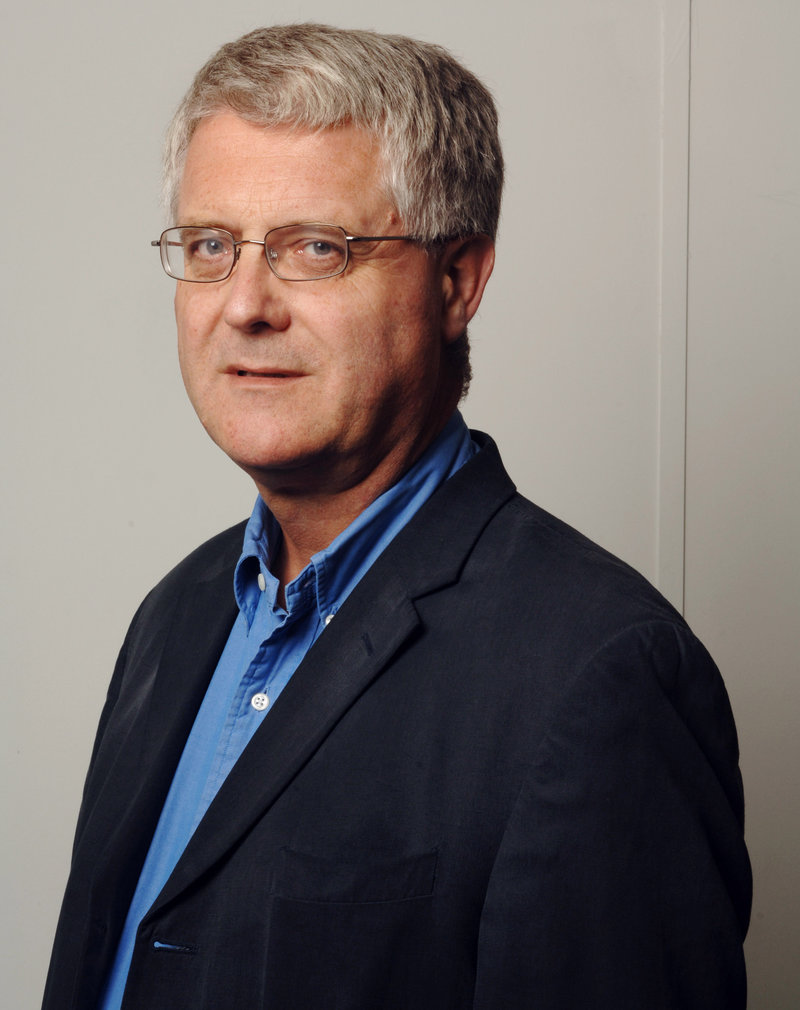
Interview with Martin Kettle

Associate editor of The Guardian newspaper

Published in El Punt Avui newspaper in March 10, 2016

http://elpuntavui.cat/politica/article/17-politica/948276-lel-lbrexit-perjudicaria-mes-la-ue-que-el-regne-unitr.html


PROFILE

Martin Kettle (1949) is an associate editor of the Guardian and writes on British, European and American politics, as well as the media, law and music


Full version

"In a Brexit scenario, Britain will be the biggest loser in the short term, but the EU in the long term. Britain may be a bad European partner but the loss of Britain would damage the credibility of the EU project more than the optimists imagine"

"The anti-Europeans are obsessives. Many on the right cannot quite believe that a Conservative prime minister wants to stay in Europe. They hate Cameron, and they do not want him to stay as prime minister after the referendum, even if he wins it"

"Corbyn and his supporters have a fairly clear democratic socialist project, but it is the same very doctrinaire project they had in the 1970s. Much has changed since then, and Corbyn gioves little impression that he understands these changes"

"The Scottish nationalists will only try to call a second independence referendum when they are confident of winning it. That is not true at the moment"


A.B. - Finally, britons will decide in a referendum whether they want to leave or to stay in the European Union. Regardless of the outcome, how would you explain this historical detachment from Europe?

M.K. - Historically, I would say that Britain has always been engaged with Europe. After all, Britain fought land wars in Europe from the era of Louis XIV to the era of Hitler — and England did the same for centuries before Britain was created. But there was always an isolationist undertow, especially in the era of empire. That's hardly surprising on an island that conquered large parts of the globe. Even so, when Britons had a referendum on Europe in 1975, we voted 67% to 33% for Europe, so the detachment has to be seen in context. I think the modern detachment from the EU is underpinned by the myth of 1940 — that Britain stood alone against fascism and defeated Hitler — a myth in which Margaret Thatcher passionately believed, especially towards the end of her career. It also has much to do with Britain's newspapers, which are often owned by anti-Europeans who do not pay taxes here and which have been fanatically anti-Europe. But the detachment of 2016 has more to do with the eurozone failure and the migration issue than with any deep-seated belief among British voters that all our problems can be laid at Europe's door.

Having said that, I think there is an English dimension to British detachment. England (I exclude London from this) is just as fed up as other countries in Europe with the sacrifices that ordinary people have had to make in the aftermath of the financial crisis and just as anxious about migration and low wages too. This manifests itself in different ways in different countries, as Spain knows. In England it has manifested itself as anti-European feeling, mainly through votes for Ukip. In 1975 England was the most pro-European part of Britain, much more pro-European than Scotland, for instance. Today the positions are reversed.


A.B. - PM David Cameron received more support for his defence of staying in the European Union from opposition lawmakers in the Labour Party and Scottish National Party than from his own, which has been divided over EU membership for decades. Do you think that the referendum is going to split even more the Conservative Party?

M.K. - One should never underestimate the will of the Conservative party for power. They have an astonishing historical record of recovery and adaptability. Most Tories think they can withstand the splits and tensions over Europe and resume their domination of UK politics after the referendum. I think that could be correct, but the splits are deep and serious all the same. The anti-Europeans are obsessives. Many on the right cannot quite believe that a Conservative prime minister wants to stay in Europe. They hate Cameron, and they do not want him to stay as prime minister after the referendum, even if he wins it. The opposition parties are all pro-Europe, but Labour remains more divided than you may think. A lot of Labour voters have no great love for the EU, for a mixture of chauvinistic and class reasons, and because they have been on the receiving end of a mass of anti-EU propaganda for generations/


A.B. - Who's the biggest loser in a Brexit scenario, the UK or the European Union?
M.K. - Britain in the short term, but the EU in the long term. Britain may be a bad European partner but the loss of Britain would damage the credibility of the EU project more than the optimists imagine.


A.B. - Compared with other major European countries, English economy is performing relatively well even though distance between rich and poor has increased over the last years. Do you think that the new global recession can exacerbate social inequality in the UK?

M.K. - I think that it can exacerbate that inequality and it is already doing so. That is why so many middle class voters are very sceptical about Europe here in Britain, because they see their security being eroded and they think it might be better outside the EU. I think they are wrong, but voters feel that politicians have let them down in many countries, including Britain, so the anti-EU mood can be seen in this light.


A.B. - After Ed Milliband's defeat in the 2015 elections and the unexpected rise of Jeremy Corbyn, has the Labour Party a clear project for the coming years? Given the internal divisions in the party, dou you foresee a lasting leadership for Corbyn?

M.K. - Corbyn and his supporters have a fairly clear democratic socialist project, but it is the same very doctrinaire project they had in the 1970s. Much has changed since then, and Corbyn gioves little impression that he understands these changes. He has tapped into two important demographics: young people who are disenchanted with traditional politics, and older middle-class left-wingers who like the idea of Labour as a traditional socialist party — Corbyn himself embodies this second group. Their opponents remain in disarray, so I think that Corbyn will remain leader as long as he does not he lose important elections and there is no credible alternative. Both these are certainly the case at the moment.


A.B. - Scots voted no in the 2014 independence referendum under the promise to get more powers if they stayed in the Union. Is british government delivering its promises of more self-government? Can we expect a second independence referendum in the short term?

M.K. - The Scottish nationalists remain in command of Scottish politics. They will win another big victory in the Scottish elections in May. But they will only try to call a second independence referendum when they are confident of winning it. That is not true at the moment. Remember that the 2014 referendum was a clear defeat for separatism by 55% to 45% in conditions that were more favourable to independence than they seem now. How much has changed since then? The nationalist mood remains strong, but the oil price has fallen steeply and the economic case against independence feels stronger now than in 2014. Many nationalists hope that if Britain votes to leave the EU, and Scotland votes to stay, this will trigger a second referendum. Nicola Sturgeon will come under a lot of pressure in that event, but I think she will be cautious because the SNP cannot afford to lose two out of two. A second defeat would set the cause back a long way, as happened in Quebec after the second defeat of independence. In any case, I still think the UK will vote to remain in the EU, so I don't myself think a second independence vote is very likely very soon.


Saturday, January 23, 2016

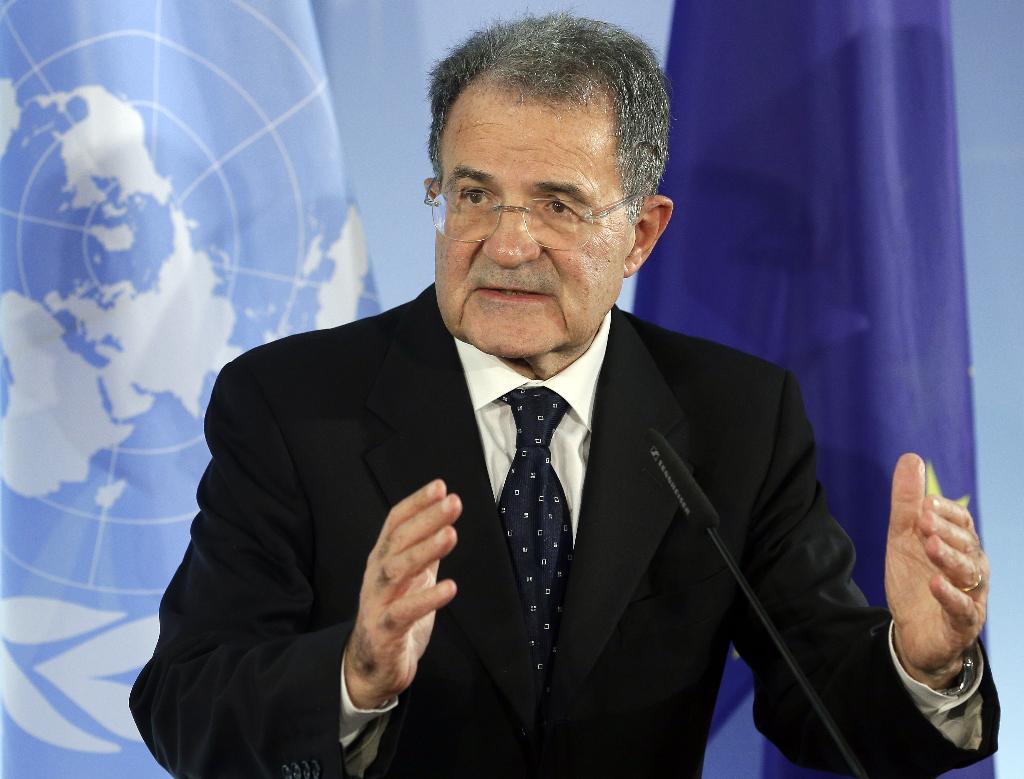
Interview with Romano Prodi

Former Italian Prime Minister and former European Comission President

Published in El Punt Avui newspaper in January 23, 2016

http://www.elpuntavui.cat/politica/article/17-politica/935177-mentre-hi-hagi-guerres-els-refugiats-seguiran-venint.html


PROFILE

Founder of the centre-left coalition The Olive Tree, Romano Prodi (Scandiano, Reggio Emilia, 1939) served twice as the Prime Minister of Italy (from 1996 to 1998 and from 2006 to 2008) and he was also the tenth President of the European Commission from 1999 to 2004. Former professor of economics and international advisor to Goldman Sachs, in  2012 he was appointed by the UN Secretary-General Ban Ki-moon as his Special Envoy for the Sahel. He inaugurated the 2016 Cornellà Creació business forum.


Full version (in Italian)

"È la prima volta in più di trenta anni che ho qualche dubbio sulla durata dell'Europa"

"I profughi continueranno ad arrivare in modo non controllato fin che ci saranno le guerre"

"Se non si mettono insieme la Francia, l'Italia e la Spagna non c'è alternativa alla politica economica della Germania"


A.B. - Profughi, crisi del debito, crisi istituzionale, ritorno delle frontiere...la Unione Europea, il progetto d'integrazione europea, è in rischio?

R.P. - È da più di trenta anni che studio i problemi europei ed è la prima volta che ho qualche dubbio sulla durata dell'Europa, quindi significa che la crisi è forte. Io credo che la supereremo, ma abbiamo ancora parecchi anni di difficoltà̀ di fronte a noi perché i singoli paesi ormai hanno preso una via nazionale, la solidarietà è diluita e quando si mete a rischio l'aspetto della libera circolazione delle persone è difficile parlare di una comunità. Voglio dire, se debbo venire a Barcellona con il passaporto, è finita, non c'è più Europa.

In questi giorni ci sono tensioni forti però io penso che la saggezza finirà col prevalere. Tante altre volte abbiamo avuto delle crisi, e poi sono state superate perché non abbiamo alternativa. I singoli paesi di fronte alla globalizzazione non possono restare da soli. Adesso siamo in mano alle grandi retti americane o cinesi: ecco Google, Amazon, e Bay, Alibaba...ce n'è una europea? No. Allora, possiamo andare avanti senza entrare nel nuovo mondo? No.


A.B. - Come si può mettere fine a l'esodo massivo di profughi? Cosa può fare l'Europa?

R.P. - Prima di tutto bisogna assolutamente mettere ordine in Libia ed in Siria. Senza questo i profughi faranno sempre paura. Il numero non è più grande di quello che c'era qualche anno fa. Non dimentichiamo che, prima della crisi, la Germania riceveva quasi 800.000 profughi all'anno; la Spagna, 3.000; la Francia e l'Italia fra i 300.000-500.000 all’anno. Ma siccome questo si svolgeva in una situazione ordinata non succedeva nulla, invece oggi quello che fa paura sono queste persone che arrivano proprio senza nessuna possibilità di scelta, che fuggono.

Allora l’unico rimedio è un accordo fra la Russia e gli Stati Uniti sulla Siria e la Libia. Fino che non c'è questo accordo, la Turchia, l'Egitto, i paesi del Golfo...ognuno va per conto suo ed ognuno difende i suoi amici e, quindi, avremmo la continuazione del caos.

In tanto, però, l'Europa, a sua volta, deve procedere in modo comune alle frontiere sterne, cooperare fra le diverse polizie ed i diversi servizi segreti e poi arrivare anche a una revisione degli Accordi di Dublino ed avere una politica condivisa sull'accoglienza finale dei profughi. Questo è quello che bisogna fare però, ripeto, i profughi continueranno ad arrivare in modo non controllato fin che ci saranno le guerre.


A.B. - Scozia, la Catalogna, le Fiandre...c'è un posto nell'Unione Europea per le nazioni senza Stato?

R.P. - Sono cose diverse, no? È la prima volta che la Spagna si trova di fronte a un governo di coalizione. Io ci sono nato e potrei fare dei corsi universitari sulle coalizioni. Posso dare certamente un consiglio: attenzione perché la stabilità è indispensabile. Quindi, o c'è un governo subito, in breve tempo, con un’ accordo preciso ed un "leader" preciso oppure nuove elezioni. Vi prego di non ripercorrere la via dell'Italia perché noi siamo stati molto danneggiati dalla instabilità. Questa è la prima cosa: evitate la instabilità.

Non entro invece nel discorso Barcellona- Madrid perché sarebbe poco delicato da parte mia. Quello che voglio dire però é che queste tensioni interne si risolvono molto meglio se c'è una Europa forte perché tutti i cambiamenti diventano meno rischiosi, meno drammatici.

Io dico sempre, l'esperienza che noi abbiamo avuto, molti anni fa, nel difficile problema dell'Alto Adige, si è risolto a livello europeo quando l'Austria è entrata in Europa. Abbiamo fatto accordi tranquilli e da tre decenni che non c'è nessun problema. È chiaro che non ho nessun insegnamento da dare perché è un problema vostro.


A.B. - La Germania detta l'austerità in Europa senza che Renzi e Hollande ci possano fare niente...

R.P. - Da due anni che predico, anzi di più, che ci deve essere una politica economica alternativa, ma la politica economica alternativa si può solo fare se c'è un accordo fra i paesi interessati ad averla. Se non si mettono insieme la Francia, l'Italia e la Spagna non c'è alternativa ed allora tutto diventa inutile. La Germania oggi è il paese più forte di tutti, lo è per le sue virtù, però fa gli interessi della Germania.

Ed allora, abbiamo una seria politica alternativa? Io credo di sì. La possiamo far prevalere nei tavoli di Bruxelles? Io credo di sì, ma solo se agiamo insieme e finora la Spagna, l’Italia e la Francia non hanno agito insieme.


Tuesday, January 5, 2016

Interview with Alex Bell

Editor at Rattle magazine


PROFILE

Alex Bell is a former BBC reporter and presenter, a newspaper columnist and co-founder of allmediascotland.com. He was also Head of Policy to Alex Salmond, the former Scottish First Minister (2010-13). Since last September, Bell is editor at Rattle magazine (www.rattle.scot)


Quotes

"[Independent] Scotland won’t be poor and will still be among the rich nations, but just not as wealthy as within the union. The leadership know this, but have neither the courage nor the means to tell the supporters. Thus the leadership are aiming for the best possible devolution deal"

"The [SNP] tactics are to keep the sense of injustice alive, to govern conservatively in Scotland (keeping a broad swathe of voters happy), and to oppose the Tories in London by sounding left wing"


Anna Balcells - In your article “SNP Independence is dead-start again or shut up” (http://rattle.scot/snp-independence-is-dead-start-again-or-shut-up), you point out a shift in the SNP's purpose "from independence to being Scotland's party". Why is that? Has SNP's leadership realised that an independent Scotland wouldn't be economically viable? Or has it realised it is not strong enough to persuade more people to vote for independence?

Alex Bell - The SNP has won a lot of arguments about Scotland in the UK - that is, it has raised Scotland’s profile, driven the argument over the devolved parliament and then additional powers for that parliament-. But this speaks to a dark truth: the SNP is essentially a British party. It’s critique is of the UK, it enjoys office in the UK, it likes the influence of the UK (the SNP absolutely enjoys arguments over foreign policy and global influence). The referendum exposed the fact that the SNP doesn’t really have a critique of Scotland, but rather a sense of how Scotland has fared in the UK. The referendum also highlighted how the SNP argument has relied on the promise of a wealthy Scotland - its policy platform assumes there will be no cuts, no higher taxes and no greater borrowing-. This may prove to be a mistake. Supporters are deaf to the risk that Scotland will be worse off, when this is very likely. To be clear, Scotland won’t be poor and will still be among the rich nations, but just not as wealthy as within the union. The leadership know this, but have neither the courage nor the means to tell the supporters. Thus the leadership are aiming for the best possible devolution deal.


A.B. -  If independence is not the main aim anymore, what are the SNP's new narrative and tactics, both in Westminster and in the next Scottish Parliament?

A.B. - The story is still the same: Scotland is poorly treated by London. This sense must be kept alive to justify the existence of the SNP. So now the SNP is the only defence against cuts from London -when in fact this isn’t true (Scotland could raise taxes but chooses not to)-. The tactics are to keep the sense of injustice alive, to govern conservatively in Scotland (keeping a broad swathe of voters happy), and to oppose the Tories in London by sounding left wing. Given the terrible state of the opposition parties, the SNP is likely to remain popular for a long time.


A.B. - After all the energies and debates of the 2014 referendum and after the unionist victory, what is the general mood in the Scottish public opinion? Do you guess some fatigue about the debate on sovereignty?


A.B. - There is tiredness. It’s as if people have tried to keep a really good party going, long after the fun stopped. Strangely, national debate almost stopped the day after the vote - there SNP has provided no new ideas, papers or speeches on the topic-. Starved of substance, Scottish politics are slipping into a coma.


A.B. -  What future do you foresee for the independentist movement in Scotland?

A.B. - If you want independence, you have to answer some essential economic questions: what is the currency, what are likely borrowing limits, what then can we afford. Until the SNP finds someone brave enough to tackle this, the argument is stuck. In fact, the fear is a popular movement will demand independence when the leadership have done nothing to tackle the hard questions.


Sunday, January 3, 2016

Interview with Sami Naïr

Algerian-French political philosopher and sociologist

Published in El Punt Avui's weekly magazine in January 3rd., 2016


PROFILE

Philosopher, sociologist, politician, professor, essayist, columnist...Sami Naïr (Algeria, 1946) is, above all, a lucid and global thinker of our time. In one of his usual visits to Barcelona, Professor Naïr shared with El Quadre his reflections on the international current issues.


Full version (in Spanish)

"Hollande tiene razón: estamos en guerra contra el yihadismo y, por lo tanto, adopta medidas de excepción. ¿Cuánto tiempo va a durar esta situación? Nadie lo sabe. Lo que sí es seguro es que va a durar mucho tiempo"


"En Francia las desigualdades crean una tensión pero, incluso con eso, es una minoría muy pequeña la que se radicaliza a través de las redes sociales e internet y decide entrar en una organización que da sentido a sus vidas"


"Apoyo la estrategia rusa en Siria: hay que reforzar al ejército de Al-Assad para acabar con Daesh"


"El proyecto de integración europea ha sido un enorme fracaso; hay que replantearlo totalmente"


Anna Balcells - Entramos en 2016 bajo el impacto todavía de los atentados de noviembre en París. Más allá de la conmoción y el dolor, ¿qué han significado estos ataques para Francia?

Sami Naïr - Los atentados han tenido un impacto muy importante sobre la identidad francesa, en el sentido de que los franceses han tomado conciencia de que se hallan en el ojo del huracán, de que la política de su gobierno, una política ofensiva a nivel internacional -con intervenciones en Libia, en Mali y en Siria- implicaba riesgos y de que los atentados de noviembre son el resultado de esta implicación cada vez más importante de Francia en los conflictos regionales.

Más allá de eso, la toma de conciencia también de que el país no es seguro y sobre todo de que, en el interior, tenemos problemas profundos que no se pueden solucionar únicamente repitiendo el lema republicano "libertad, igualdad, fraternidad" cuando la realidad demuestra la existencia de procesos de exclusión, de apartheid.

En este sentido, hay que hacer un esfuerzo para ver la realidad de ese país. Y la realidad es que el modelo republicano que se ha elaborado en el siglo XIX no se corresponde con la actualidad real.


A.B. - Pero son valores que siguen teniendo su vigencia, ¿no?

S.N. - Sí, pero no basta con proclamar los valores de la República; hay que ponerlos en práctica. Y lo que pide una parte importante de la población desfavorecida, del pueblo francés -y no solamente los hijos de los inmigrantes- es dar contenido a estos valores, aplicar políticas de integración social para todos, políticas de empleo, políticas que creen cohesión. Por el contrario, durante estos últimos años, ya sea bajo gobiernos de derechas o de izquierdas -en eso no hay ninguna diferencia fundamental-, se han puesto en marcha y se han legitimado políticas de desconstrucción, de destrucción del vínculo social en Francia.

Francia empezó y acabó 2015 con atentados yihadistas. Sin embargo, las reacciones en enero y en noviembre fueron distintas. Cuando se asesinaron a los dibujantes de Charlie Hebdo, se puso el acento en la defensa de la libertad de expresión mientras que, tras el 13-N, el discurso del gobierno se tiñió de belicismo. "Estamos en guerra", dijo el presidente Hollande.

Efectivamente, en el caso del atentado contra Charlie Hebdo la atención se enfocó hacia la cuestión de la libertad de expresión y la posibilidad de hacer críticas a una determinada religión, en la línea del tradicional laicismo francés, que siempre ha convertido la religión en objeto de crítica. No se trata de que el pueblo francés sea o no sea ateo, el problema no es este. La cuestión es si puedo hablar o no de religión y si lo puedo hacer de la forma que quiera. Eso ha provocado la reacción de una parte de la población que no tiene asumida la cultura francesa o que no la tiene suficientemente arraigada. Así, por ejemplo, los musulmanes y los hijos de inmigrantes musulmanes dicen "no, no queremos que se insulte a nuestra religión". Han confundido el insulto con la tradición laica de representación de lo religioso.

El otro atentado es diferente porque la autoría corresponde a una organización internacional. El Daesh atacó porque Francia está bombardeando allí, con lo cual la declaración de guerra la hizo Francia primero. Daesh ha decidido trasladar la guerra de Siria a Francia. El presidente Hollande entonces ha dicho una obviedad. Por supuesto que estamos en guerra porque estamos bombardeando. No se puede bombardear un país o una organización sin estar en guerra. Hoy en día hay una guerra entre Francia y el yihadismo militarizado.

¿Quién es el responsable? Este es otro problema. Podemos discutir sobre si había que entrar en esa guerra, si había que bombardear o no...Pero el presidente Hollande tiene toda la razón. La situación objetiva es que estamos en guerra. Y frente a esta situación, evidentemente, toma medidas de excepción, es decir, saca al ejército a la calle, otorga poderes reforzados a la policía, se mantiene una movilización permanente en los medios de comunicación contra todo eso. ¿Cuánto tiempo va a durar esta situación? Nadie lo sabe. Lo que sí es seguro es que va a durar mucho tiempo.

A.B. - La lógica militar es la que manda entonces....

S.N. - Hay dos problemas distintos, Francia y Siria. En el caso de la intervención en Siria, se trata de una estrategia militar. Y ahí hay una guerra contra Daesh. Daesh es una organización terrorista a escala planetaria que está destruyendo a Siria y a toda la región.

¿Quién es el responsable? Lo sabemos. Fundamentalmente, la intervención norteamericana de 2003 en Irak, porque son iraquíes los que combaten en Daesh, no son sirios. Estados Unidos y Gran Bretaña destrozaron el ejército iraquí y una parte importante de este ejército junto con miembros de la comunidad sunita crearon Daesh. "Han destrozado a nuestro país, ahora nosotros vamos a destrozar a toda la región", se dijeron. Es la misma lógica.

La estrategia norteamericana ha exportado el caos en Oriente Medio, nunca hay que olvidarlo. Son ellos los primeros responsables. Yo digo, siempre que tengo la oportunidad de ello, que es impensable, increíble que un presidente como Bush esté todavía en libertad o Tony Blair. Esta gente tiene que comparecer ante un tribunal penal internacional por haber destrozado un país en contra de la legalidad internacional. Eso no se dice en Occidente, pero se dice mucho en Oriente Medio porque todo el mundo lo piensa. Los criminales andan sueltos, viven bien y a nosotros nos destrozan el país. Nos vienen con los derechos humanos, con la libertad...¿qué es eso? El doble lenguaje de Occidente es insoportable fuera de sus fronteras. Hay que entenderlo.

Ese es un problema militar. ¿Cómo se va a solucionar? Lo podemos discutir. Yo considero que no se puede solucionar únicamente con una intervención aérea desde el exterior. Creo que los únicos que pueden solucionar el problema sirio son los sirios y que, a pesar del carácter dictatorial del régimen de Al-Assad, a pesar del hecho de que este señor sea un carnicero que también debe ser juzgado por la comunidad internacional y previamente por las leyes de su país, hay que fortalecer al ejército sirio, apoyar este ejército para acabar con Daesh.

Y añado algo que, evidentemente, no es políticamente correcto y es que creo que los rusos tienen toda la razón. Apoyo su estrategia. Considero que Putin ha analizado bien la situación. Putin sabe que no hay alternativa al Estado sirio. Una alternativa sería el caos. No hay oposición democrática, los turcos están apoyando en el norte a Al-Nusra, que es el nombre sirio de Al-Qaeda. ¿Y quién financia a Al-Nusra? Arabia Saudí, que financió a Daesh durante dos años, y Qatar, que ha financiado Daesh durante cuatro o cinco años. La realidad es esta.


A.B. - ¿Cree que la resolución del Consejo de Seguridad de 18 de diciembre fijando una hoja de ruta para una solución política en Siria supone un paso adelante?


S.N.- Es un paso positivo, pues permite una colaboración, aunque tibia, entre Estados Unidos y Rusia. Pero el acuerdo es muy frágil ya que no dice nada sobre Al-Asad ni sobre los integristas de Al-Nosra (versión siria de Al Qaida), apoyada por Turquía y Arabia Saudí. Creo que estos dos países van a torpedear el acuerdo por razones diferentes. Además, el plazo es casi de dos años y nadie sabe quién presidirá Estados Unidos ni si se van a cumplir los objetivos. Es un acuerdo más simbólico que práctico. Pero le deseo buena suerte.


A.B. - ¿Cuál es el objetivo final de Rusia en Siria?


S.N. - Los rusos intentan evitar el caos, porque ellos saben que el caos en Siria significa el caos en Rusia también porque allí tienen el problema de los chechenos. Los servicios de información calculan que hay más de 20.000 combatientes chechenos en Daesh. Todos los integristas, los terroristas, se van allí para vengarse de Occidente.

Hemos creado ahí una bomba humana. Frente a eso, la razón de estado consiste en decir: si queremos estabilizar esta región, hay que apoyar a los estados y a los ejércitos que pueden hacerlo. La democracia la discutiremos después, pero primero hay que acabar con el caos. Esta es mi opinión respecto a Siria.


A.B. - Me comentaba que una cosa es la situación en Siria y otra lo que está ocurriendo en Francia...


S.N. - Francia es otro problema, sí. No hay que establecer una correlación directa entre lo que pasa en Siria y lo que pasa en las 'banlieues'. Hay centenares de miles de chicos en las 'banlieues' que no toman las armas para luchar contra el gobierno. Lo que hay que saber es que hay 8 millones de pobres en Francia, de los cuales 4 millones viven bajo el umbral de la pobreza en las 'banlieues', con familias totalmente desestructuradas, con falta de autoridad parental. Una parte importante de estos jóvenes se sienten totalmente ninguneados, no pueden encontrar trabajo, están marginados, viven en condiciones horrorosas en estos barrios, en uno de los países más ricos del planeta, cuyo PIB es uno de los más importantes de Europa.

Las desigualdades crean una tensión pero, incluso con eso, es una minoría muy pequeña la que se radicaliza a través de las redes sociales e internet y decide entrar en una organización que da sentido a sus vidas.

El problema de la integración, pues, es diferente. Es un problema social global que, evidentemente, debe hacer hincapié en los más excluídos.Si uno quiere entender lo que está pasando en las 'banlieues' hay que invertir la situación: ¿Por qué el Frente Nacional se ha convertido en el primer partido en Francia? No son la causa las 'banlieues', sinó el hecho que el electorado popular ha sido abandonado por la izquierda y la derecha desde hace treinta años. Y ahora el Frente Nacional es el primer partido entre este segmento de la población y, lo que es mucho más grave, cada vez consigue más apoyo entre la juventud francesa.

La juventud francesa la conocí yo en los años 60 y 70. Era una juventud de extrema izquierda. Las organizaciones mayoritarias eran comunistas. Las principales ciudades donde está ahora el Frente Nacional eran ciudades gobernadas hace veinte años por los comunistas, los socialistas. ¿Es que esta gente se ha vuelto racista, se ha vuelto fascista? No, pero el Frente Nacional está utilizando el discurso social-nacional abandonado por la derecha y la izquierda, lo que hace que hoy tengamos el 60% de la población, como mínimo, que no se siente representado por estos partidos.


A.B. - Volviendo a la situación en Siria. Usted defiende el apoyo al ejército sirio, al ejército de Al-Assad, para derrotar a Daesh. ¿Cabe la posibilidad de que las potencias utilicen a Al-Assad para acabar con los yihadistas y que después lo aparten del proceso de transición política que se abra en Siria?

S.N. - Vamos a ver, estamos ahí en una lógica de razón de estado. ¿Cree usted que Al-Assad va aceptar entrar en este juego si sabe que al final lo van a destrozar?


A.B. - Nadie se lo va a decir...

S.N. - El problema no se plantea de esta manera. Eso lo dicen los políticos para justificar ahora la necesidad de ponerse de acuerdo con Al-Assad. O sea, ellos, que durante tantos años decían que había que acabar con Al-Assad, juzgarlo, ahora dicen que hay que pactar con él. Pactamos con él y después lo dejamos fuera. La política no funciona así, siento decirlo. La realpolitik es otra cosa.


Por eso digo que el problema va a durar mucho tiempo. Creo que al apoyar a Al-Assad y a su ejército, es decir, al entrar en la estrategia rusa, se podrá acabar con Daesh en Siria pero no se podrá acabar con Daesh en todas partes. Si pierde la guerra sobre el terreno, lo que va a hacer Daesh, militarmente hablando, es irse a otro lugar. Ya está en Libia, en Irak, en Afganistan y puede extenderse a Israel, Palestina, a todos partes.


Estamos frente a un problema general y la solución debe ser general, es decir, hay que vencer militarmente y privar de la lógica del espacio a Daesh, porque la diferencia entre Daesh y Al-Qaeda es muy sencilla: Al-Qaeda no quiere territorio, hace la guerra desde muchos lugares en el mundo. Tiene bases en todas partes (la palabra al qaeda en árabe significa la base), la base es como una mochila y la llevamos a cuestas con nosotros. Por el contrario, Daesh quiere conquistar terreno para crear un califato, un estado. No lo van a poder hacer, por supuesto, pero los tendremos frente a nosotros.


A.B. - ¿Qué habría que hacer para combatir a Daesh desde otros frentes además del militar?

S.N. - Hay tres problemas fundamentales que resolver: el primero, la reconstrucción del Estado iraquí. Y aquí queda en evidencia el acuerdo cínico firmado entre Estados Unidos e Irán, porque Irán ha aprovechado la destrucción de Irak para imponer un poder sin límite de los chiítas en ese país.

Y es que desde la creación de Irak, siempre hubo un equilibrio a favor de los sunitas frente a los chiítas. Habría entonces que construir un régimen federal en Irak para permitir a todas la comunidades confesionales disfrutar del mismo poder, tal y como ocurre hoy en Líbano, donde los cristianos son una minoría pero tienen el poder más importante por serlo y para protegerse de la mayoría. Se puede encontrar este tipo de solución. Esa es la primera cuestión. ¿Lo quieren los americanos y los iraníes? Pueden aceptarlo si la situación sigue sin control.


A.B. - ¿El segundo problema fundamental que resolver?

S.N. - Reconstruir Siria, hacer que los refugiados puedan volver a su país. Para eso se necesita un plan de desarrollo económico muy importante. La comunidad internacional y Europa pueden actuar en esta dirección y negociarlo con el futuro régimen de transición sirio. Al-Assad sabe muy bien que no va a gobernar eternamente, que su ciclo ha terminado. Los rusos lo saben también. Si la Unión Europea y la comunidad internacional ofrecen a Siria un plan de reconstrucción económica, las fuerzas políticas democráticas sirias lo van a aceptar y la suerte de Al-Assad se pactará, esto está claro.

Y en tercer lugar, está el problema de Palestina e Israel. Es muy importante, es fundamental, porque es el problema que ha alimentado el desarrollo de los movimientos extremistas en Oriente Medio. Es el núcleo de todo. Entonces hay que, por fin, encontrar una solución y los americanos tienen la llave, no los israelíes. Porque si Estados Unidos lo deciden lo pueden hacer. No lo han hecho hasta la fecha y la alternativa a esta situación es seguir con la lógica del caos.


El acuerdo debe ser global. No es un acuerdo que se pueda alcanzar en un día, se va a desarrollar de manera gradual, pero con una línea, un objetivo y con la posibilidad que la comunidad internacional por fin tenga una visión sobre el porvenir de esta región. Es absolutamente necesario, de lo contrario no solucionaremos el problema.

Mire lo que está pasando en Afganistan. Estados Unidos están ahí des de 2001. Estamos en 2016 y no han solucionado nada. Si el ejército norteamericano se marcha mañana, pasado mañana tendremos a los talibanes en Kabul. No han solucionado absolutamente nada porque no supieron plantear el problema de forma estructural, es decir, no ayudaron económicamente a estos países, no propusieron un gran plan de paz para la región. No lo hacen porque no quieren hacerlo.


A.B. - Bush irrumpió en la región con una estrategia que se reveló desastrosa, pero no se ve una visión alternativa a medio plazo. ¿La ha tenido Obama?

S.N. - Estados Unidos no tiene una estrategia, es verdad. Y Obama no ha podido hacer nada aunque ha sido el único presidente que ha intentado hacer algo. Lo hizo históricamente también Carter. Obama no ha podido porque frente a él se levantaron los lobbies: el militar, los confesionales, económicos, los financieros aliados de Arabia Saudí...porque detrás de todo esto hay otro problema: ¿Dónde está la fuente de financiación hoy del terrorismo? En los países que tienen el petróleo.


A.B. - ¿Las monarquías del Golfo siguen financiando a Daesh? ¿A través de qué canales?

S.N. - Por supuesto. No directamente, no oficialmente, nunca lo hacen. En estos países no hay diferencia entre lo privado y lo público. Arabia Saudí es un país gobernado por 15.000 "príncipes" que pertenecen a varias familias y cada uno tiene su propio negocio. Han financiado de esta manera durante mucho tiempo a Al-Qaeda hasta que Ben Laden se volvió en contra de ellos. Y han financiado también a los sunitas de extrema derecha religiosos, la actual Daesh. Les financiaron frente a los chiítas porque estos, a su vez, lo estaban por los iraníes


A.B. - Eso no impide que Arabia Saudí y Qatar formen parte de la coalición internacional que bombardea a los yihadistas en Siria e Irak...

S.N. - Ahora participan en la coalición claro porque, como ocurre siempre, el Frankstein se ha escapado del doctor. La situación recuerda a la de Libia. ¿Qué hicimos con Gaddafi? Es un carnicero, dijimos. De acuerdo, pues creemos una zona de exclusión aérea para que no pueda bombardear a su pueblo y ayudemos a las fuerzas libias, a su ejército, mandando consejeros, asesores, armas, etc para que gane.

No, nada de eso se hizo. La resolución de la ONU prohibía la intervención terrestre. Pero se violó la resolución, se fue sobre el terreno y se destrozó al régimen libio. ¿Qué hicieron? Hicieron lo que Bush proponía, es decir, una estrategia de cambio de régimen.

Entonces, hay que luchar contra Daesh pero la lucha contra el terrorismo no es sólo militar y mediante bombardeos. Debe ser también una lucha política con un plan global de paz en la región.


A.B. - A propósito de la guerra en Siria, hemos visto este 2015 en Europa una imagen que nos ha colmado de vergüenza: colas masivas de refugiados recorriendo a pie el continente para hallar asilo. ¿La crisis de los refugiados ha puesto al descubierto la miseria moral de Europa, los límites de su solidaridad?

S.N. - Absolutamente: la miseria moral de Europa. Sí, ha puesto en evidencia la falta de generosidad, la falta de humanidad en un continente que inventó el humanismo, la democracia, los derechos humanos.


A.B. - El presidente del Parlamento Europeo, Martin Schulz, advirtió en una reciente entrevista al diario 'Die Welt' que la UE está en peligro a causa de la falta de solidaridad y de los egoísmos nacionales. Llegó a decir que la UE, el proyecto de integración europea, podría dejar de existir en diez años. ¿Exagera Schulz?

S.N. - Creo que no exagera. Creo que se ha dado cuenta perfectamente de que el proyecto ha muerto. Pero yo no confío en él y en los suyos para reconstruir el proyecto europeo que ellos mismos han llevado al abismo.

¿Quiénes son los responsables de esta situación? El concepto inicial de la construcción europea era éticamente e identitariamente bueno. Pero el contenido se manipuló totalmente y se transformó a partir de 1986, cuando se aprobó el Acta Única, con la cual se decidió construir un mercado único y, a continuación, una moneda que se correspondiera con ese mercado e imponer una camisa de fuerza a todos los países y, al mismo tiempo, abrir la Unión Europea a las finanzas mundiales. Fronteras para la circulación de los trabajadores, pero no para la de los bienes ni los capitales. A partir de este momento, la cuestión era ¿qué queremos: construir Europa o hacer de Europa un polo del desarrollo económico mundial dentro de la globalización pero sin identidad común?

Y la realidad es lo que pasa ahora. Desde 1991, con el Tratado de Maastricht, la Unión Europea entró en una recesión estructural, una caída del crecimiento a causa de una igualación a nivel económico y, a partir de este momento, hemos visto crecer el paro (ahora tenemos 14 millones de parados en Europa), la destrucción de los modelos sociales del conjunto de los países europeos, la privatización de las políticas públicas, de las jubilaciones, de la educación, de las universidades...Hemos visto, en realidad, no la construcción de la Europa política, social, identitaria que queríamos, sino de una Europa ultracapitalista, ultraliberal y que defendía los intereses del mercado a escala internacional.

Todo eso es un enorme fracaso. Lo siento mucho porque el proyecto europeo es lo único que puede salvar a Europa.Hoy ninguna nación puede pretender asumir el papel de dirigente en Europa, ni Alemania, ni Francia ni Gran Bretaña. La única posibilidad es construir una Europa unida políticamente, pero para eso necesitamos replantearnos totalmente el proyecto europeo. Y tener primero un proyecto político, construir una gran confederación porque la federación ahora es imposible porque en todas partes se defiende a la nación, ya veremos dentro de un siglo.

A.B. - ¿Qué hacemos entonces? ¿Desmantelamos las instituciones comunitarias, cerramos la Comisión, el Parlamento de Estrasburgo?
S.N. - Estas instituciones no tienen recorrido. ¿Dónde están las políticas públicas europeas? No existen. Hoy tenemos únicamente dos políticas comunes: la comercial, que viene con el Acta Única y, por otro lado, el euro, que ni siquiera es una moneda común, porque no la compartimos los 28 estados miembros.

¿Qué hacen estas instituciones? Fíjese, han decidido acoger a los refugiados. ¿Cómo lo han hecho? Resulta que tenemos a 8 millones de personas pidiendo socorro y la Comisión se reúne y dice "dentro de dos años, vamos a acoger 20.000 personas". España, la gran España, ha acogido a 12 personas. ¿Se lo puede imaginar? Estamos ante una inmensa hipocresía. Por eso digo que hay que replantear el proyecto europeo, hay que ser más europeísta que nunca pero de manera realista, es decir, queremos una Europa confederal, queremos un Parlamento Europeo que represente la realidad de las naciones y no diputados desvinculados de la soberanía nacional que están ahí durante cinco años cobrando sueldos y votando directivas que no tienen significado.

Los diputados europeos tienen que tener poder, pero el poder lo deben tener delegado por sus gobiernos nacionales, por su parlamento nacional. Debemos reorganizar totalmente el sistema.

Lo que ocurre hoy es que no existe un interés general europeo. Me acuerdo que siendo diputado europeo en 2000 tuvimos un debate sobre las consecuencias de la ampliación de la UE al este de Europa: Esa gente va a entrar, esa ampliación va a transformar totalmente el espacio europeo, pero ¿cuál es nuestro interés común con Estonia, con la República Checa, con todos esos países? ¿Cuál es el interés general?

Hay entre nosotros diferencias de cultura, de historia, lingüísticas, sociales, en todos los niveles. Es todo mucho más complejo, necesitamos una estrategia cooperativa basada en la representatividad real y en una concepción de apoyo a las regiones y a los países menos desarrollados en Europa.

La situación de crisis en España no es normal. Evidentemente decirlo así ahora parece increíble, pero yo considero que un país como España hubiera necesitado mucha más ayuda. La UE dio ayudas para construir infraestructuras, pero no ha creado las condiciones de desarrollo económico de España y de Grecia o Irlanda. No había verdaderamente una concepción común europea.


El proyecto europeo es algo muy complejo. No tenemos una nación europea, tenemos 28, cada una con su bandera, su historia. Mire la bandera europea. Es el resultado de la inexistencia de una identidad común. Mire los billetes del euro, las monedas. No veo a Cervantes en los billetes, no veo a Martorell, a Victor Hugo, a Dante. Veo puentes.


A.B. - Se acaban de cumplir veinte años del llamado Proceso de Barcelona, un ambicioso proyecto impulsado por la Unión Europea para crear una zona de paz y prosperidad en el Mediterráneo. Visto todo lo que ha ocurrido durante estas dos décadas, ¿qué futuro le ve a la región?

S.N. - Creo que el Proceso de Barcelona ha tenido éxito en lo que se refiere a abrir las fronteras de los países del sur a través de los acuerdos de asociación. Prácticamente se han firmado con todos los países y se han podido abrir las barreras arancelarias. Eso es lo que interesaba a la Unión Europea para vender mercancías. El resto es un fracaso global.

Ha tenido un poco de éxito también a nivel de la cooperación policial entre los países del norte y del sur. Con Marruecos, con Argelia, con Túnez, con Egipto, los servicios trabajan bien.

Pero en cuanto al apartado de la sociedad civil, fracaso total. Porque no se puede poner como objetivo el diálogo entre la sociedad civil y al mismo tiempo cerrar las fronteras a la libertad de circulación de personas tal como lo hemos hecho. Es imposible. Salvo que consideremos que los intelectuales que invitamos aquí durante tres días son representativos de estos países. Para mí no lo son. Yo pienso en las sociedades, es algo totalmente diferente.

Para mi, el Proceso de Barcelona ha acabado. Hay que olvidarlo y pensar en otra cosa. ¿Qué hacer? Lo que iba escondido en la época del Proceso ha estallado ahora. Y lo que iba escondido es la situación de violencia tremenda en este entorno mediterráneo y la guerra potencial. Se veía únicamente en aquella época a través del conflicto israelo-palestino. Ahora se ha generalizado en todas partes por la destrucción del Estado iraquí, por la situación del Estado libio, las primaveras árabes...todo eso ha contribuido a crear una situación de crisis.

Evidentemente, la situación es de urgencia. Hay que poner en marcha una gran política europea de ayuda al desarrollo económico del sur. Es la única oferta creíble, un gran plan Marshall según las posibilidades de cada país con un sistema de préstamos muy estudiado para permitir que estos países puedan estabilizar sus poblaciones.

Le digo una cosa: en 2050, tendremos 617 millones de habitantes en toda la cuenca mediterránea. Y, de estos 617 millones, sólo un 30% serán europeos. Luego, el desafío es enorme. No se puede permitir que estos países sigan en situación de estancamiento económico. Hay que elaborar una gran estrategia desde la UE a partir de políticas de cooperación reforzadas previstas por el Tratado de Maastricht. Hay que crear oportunidades económicas al otro lado del Mediterráneo, lo que aprovechará fundamentalmente a la UE porque allí es un mercado enorme.

Y detrás de eso hay otro problema que no se ve y que constituye el segundo reto: la situación en el Africa subsahariana. Porque esta región en 2050 tendrá más de 2.000 millones de habitantes. Nigeria va a ser la gran potencia africana; en 2030 va a tener unos 220 millones de habitantes.

Estamos, pues, ante unos desafíos enormes, pero la pregunta la tengo que plantear yo: Con estos dirigentes europeos, ¿cómo se puede esperar una solución a estos problemas? No soy pesimista, me gustaría ser siempre optimista, pero cuando veo la realidad, me parece dramática.


Monday, December 28, 2015

Interview with Besa Shahini

Independent researcher and policy analyst

Published in El Punt Avui newspaper in December 28th, 2015

http://www.elpuntavui.cat/politica/article/17-politica/928331-lel-cami-de-kosova-a-la-ue-esta-bloquejatr.html


PROFILE

Besa Shahini (Prishtina, 1982) is an independent researcher and policy analyst based in Kosovo. Until summer 2015, she was a Senior Analyst with the Berlin-based think tank European Stability Initiative (ESI).

Shahini participated this month in the seminar "Understanding the limits of international post-conflict governance: the case of Kosovo", organised by Barcelona-based think tank CIDOB.


Full version (in English)

"The biggest issue for Kosovo now is that five EU member states do not recognise Kosovo as a state. This means that Kosovo cannot apply for membership to the EU"


"Kosovo needs to be engaged in two dialogues simultaneously: an internal one with the Kosovo Serbs, and an external one with Belgrade"


"Kosovo Government – while it gave the Serb community in Kosovo a lot of rights and possibility for self governance through decentralization – it did not do a good job at engaging them in an internal dialogue about Kosovo’s future. This created a gap between Prishtina and the Kosovo Serbs, which Serbia is now using to achieve its goals in Kosovo"


"Kosovo should have built up the courage to establish local courts that would deliver justice to the victims of all ethnicities. Serbia should have done the same"


"I stopped believing that the international community wants to fight corruption in Kosovo"


"There should also be more opportunities for Kosovo’s youth to work, study and travel to the EU. Currently this is not possible as Kosovo is the only country in the Western Balkans without visa free travel to the EU"


"The fact that only Kosovar youth have to go through this arduous procedure is really singling them out and making them feel like second class citizens in Europe. This must absolutely change"


A.B. - Expectations that Kosovo's independence would bring a rise in standards of living with the help of the United States and the European Union were not met. What's the current economic and social situation in your country?

B.S. - Kosovo is one of the poorest countries in Europe. GDP per capita is 3,000 Euro, or less than 10% of average GDP per capita in the EU 28. It has the lowest employment numbers in the region – 30% of everyone ages 20-65 has a job.

The current economic model does not support employment growth - Kosovo produces very little and imports most basic goods. Kosovo’s exports come up to 300 million Euro, of which only 100 million Euro are processed goods (the rest are in mines and minerals). While it’s imports reach 2.3 billion Euro, and are mainly financed by the large Kosovo diaspora that regularity send remittances back to their families.

How did Kosovo get here? Kosovo was the most underdeveloped region in Yugoslavia. Economic planning was done centrally from Belgrade and due to strained political relations between Serbia and Kosovo, it saw very little investment until 1970s. This changed in the 1970s and 1980s, as political tensions eased somewhat. In the 1990s, due to the wars and overall economic decline, most industries declined rapidly.

After the war, Kosovo became an international protectorate, fully governed by the UN and its partners. The EU was put in charge of economic governance through EUMIK (EU Mission in Kosovo). The one policy they implemented in Kosovo was privatization. Instead of reviving the declining industries, they set up mechanisms to sell them off. This rapid deindustrialization resulted in the loss of Kosovo’s skill base.

Today, without the necessary skills in its labour force Kosovo is finding it difficult to attract foreign direct investment to boost its economy. At the same time, the education system is only now being tuned to build the professions Kosovo needs. So the way I see it, we are still looking at a long way ahead in this battle for economic turnaround, and it won’t be easy.


A.B. - Seven years after declaring independence from Serbia (February 2008), Kosovo has been recognised by the United States and major European Union countries. But Serbia, backed by Russia, refuses to do so. How is affecting this lack of recognition the integration of your country in the international community?
B.S. - I think the biggest issue for Kosovo now is that five EU member states do not recognise Kosovo as a state. This means that Kosovo cannot apply for membership to the EU, thus cannot really take part in normal pre-accession programs that the rest of the Western Balkans are benefiting from. This will keep Kosovo further behind the region.

If Serbia would recognise Kosovo, five EU member states would have no reason not to any longer, thus this would unlock Kosovo’s way toward the EU. But also, if the five decide to take a principled position and recognise Kosovo even before Serbia does, it would ease tensions with Serbia tremendously as it would open Kosovo’s path toward the EU, independently of Serbia, and Kosovo would focus its efforts on the EU reform program.

Kosovo is small and it cannot develop in isolation, thus this situation is really hindering Kosovo’s development.


A.B. - A landmark deal aimed at paving the way for the normalisation of relations between Kosovo and Serbia was brokered by the EU in 2013. But there are hurdles on both sides to implement the agreement. Is there any chance to come to a dialogue for a real rapprochement between Pristina and Belgrade?
B.S. - Kosovo needs to be engaged in two dialogues simultaneously: an internal one with the Kosovo Serbs, and an external one with Belgrade. All issues pertaining to Kosovo Serbs should be dealt with through an open dialogue with them. While the dialogue with Belgrade should focus on issues of recognition, war damages, missing persons, property claims of Serbia in Kosovo, etc.

But this is not really happening this way. Kosovo Government – while it gave the Serb community in Kosovo a lot of rights and possibility for self governance through decentralization – it did not do a good job at engaging them in an internal dialogue about Kosovo’s future. This created a gap between Prishtina and the Kosovo Serbs, which Serbia is now using to achieve its goals in Kosovo. It insists on the establishment of the Association of Serb Municipalities in Kosovo, through which it will exercise control over Kosovo, the same way it exercises control over Bosnia through Republika Srpska there. The August 2015 agreements show this clearly. They do little to address the needs of Serbs in Kosovo but do a lot to legitimise Serbia’s control over Kosovo.

If Kosovo could get international support to split these two dialogue tracks, I believe this would produce lasting results leading to stability in Kosovo and the region.


A.B. - The war in Kosovo in the late 1990s opposing ethnic Serbian and Albanian population has left deep wounds, and reconciliation between the majority Albanians and the Serb minority remains elusive. Kosovo's Parlament approved a law to set up a special war crimes court paving the way for indictments to be filed against top wartime leaders and current politicians. Is that a crucial and an ineluctable step towards reconciliation? Has this special court started its works? What has been done so far regarding this field?

B.S. - This is an international court that Kosovo is integrating into its own institutions. I think Kosovo should have built up the courage to establish local courts that would deliver justice to the victims of all ethnicities. Serbia should have done the same: there are hundreds of thousand murdered in the Balkan wars in the hands of the Serbian army, yet only a handful of generals were successfully put on trial and convicted. This is not right.

But coming back to the Special Court in Kosovo, I have very little faith that international courts can deliver justice. The crimes for which this court is being set up, have been addressed by three other international courts unsuccessfully: UNMIK, International Crimes Tribunal for former Yugoslavia (ICTY) and now EULEX. What confidence does anyone have that a fourth court, with some of the same judges and prosecutors and investigators, and many more years removed from the events at stake, can deliver the justice for the victims?


A.B. - According to the 2014 Transparency International Corruption Perception Index, Kosovo and Albania continue to be the most corrupt countries in South-East Europe. Is this kind of criminal activity blocking Kosovo's economic growth?

B.S. - To some degree yes. Surveys with big investors show that they do consider corruption to be one of the issues why they hesitate to invest in Kosovo. According to different studies, corruption in Kosovo is public sector corruption: government officials skimming from public tenders to private companies. Which makes it difficult to expect that the current government can fight public sector corruption, if it is involved in it.

It is also difficult to vote out of power the current political class as they have the support of all the international stakeholders in Kosovo. The EU (including member states) and US officials in Kosovo, continuously talk about the importance of fighting corruption. But when the opposition in 2014 formed a coalition against the biggest party in power, and on a platform to fight corruption, the international stakeholders intervened to prevent them from forming the government*. The opposition – they said – was not as cooperative as the party in power in reaching agreements with Serbia.

(*For more see this: http://www.democratizationpolicy.org/uimages/DPC%20Policy%20Paper%20Trading%20Democracy%20in%20Kosovo.pdf)

After this had happened, I stopped believing that the international community wants to fight corruption in Kosovo.

In addition the EU Rule of Law Mission (EULEX) – whose mandate was precisely to fight organised crime, corruption and deal with war crimes - also failed to indict corrupt politicians or come up with important final rulings. This mission cost EU taxpayers over a billion Euro and is now being investigated for corruption itself!


A.B. - An April report by the Kosovo Center for Security Studies (KCSS) claims that Kosovo is the Western country that has sent the most recruits on a per capita basis to join Islamic State and other militant groups in Syria and Iraq. Which factors explain this Kosovo's fecundity for jihadists? How is the Kosovar government dealing with the matter?
B.S. - I think that like in any other country, those who have joined ISIS seem to be disenfranchised youth, with little perspective in their lives, trying to find some meaning in life. The word that I commonly see used by those who give interviews to the media is “dignity” – they are fighting to get their dignity back. These youth feel that the world is an unjust placed and they have been wronged greatly by a system that rewards consumerism and wealth, so they decide to join this compelling call to a more egalitarian community, as ISIS presents itself to these youth through their recruiters.

The problem is of course that ISIS is not egalitarian, nor a means to retrieve dignity. It is a violent terrorist group that treats people as expendable good. But people find this out only after they have gone to Syria, which is too late because then they can hardly leave any more.

The Kosovo Government is addressing this as a security issue, arresting suspicious people and closing down dubious NGOs that are suspected of having contributed to recruitment. But I think this is not only a security issue: it has a socio-economic aspect to it. And to fight it, Kosovo needs to become a better, more prosperous and inclusive country, which will involve all of its citizens in building this better country. The system in place right now – with a few very rich people, a lot of very poor people and a very thin middle class – must change, to allow for a building of a stronger middle class that will support the development of the country.

There should also be more opportunities for Kosovo’s youth to work, study and travel to the EU. Currently this is not possible as Kosovo is the only country in the Western Balkans without visa free travel to the EU. If young people want to travel to the EU, they must apply for a costly visa with long waiting times. The fact that only Kosovar youth have to go through this arduous procedure is really singling them out and making them feel like second class citizens in Europe. This must absolutely change so there is a clear signal to the Kosovo youth that they belong in Europe too.

A.B. - Despite all the difficulties, do you think that Kosovo's democratic process is moving forward? Do you feel optimistic about the near future?
B.S. - I think we are looking at a difficult few years ahead, but I am optimistic about Kosovo’s future. It is important that more people get engaged in a national debate about the future of the country. Until recently this was not possible, as decisions were being made by international organizations governing the place. They were not accountable to the people of Kosovo thus no debate was needed to inform their decisions.

But now things are different: there is currently a fierce national debate happening between the government and the opposition, that is authentic and I hope will produce change. It was sparked by the recent agreements made with Serbia, which the opposition disagrees with, but it is spilling over in other areas: energy and environment, privatization and even education.

At its core though, it is a debate about how are we going to build the state. On one side are those who believe that Kosovo is an international project and it is the international community who will finalise this project. So all we need to do is compromise and wait and the state will just happen. On the other side are those who think that the state can only be built by the people of Kosovo, who have to get engaged, work hard, achieve equality among – and justice for – its citizens and not compromise on issues that threaten the future of the state. I think this debate is absolutely necessary for the democratic development of Kosovo and the fact that it is happening is giving me hope for the future.


Thursday, December 3, 2015

Interview with Zoe Konstantopoulou

Former president of the Greek Parliament (February-October 2015)

Published in El Punt Avui newspaper in November 29th, 2015

http://elpuntavui.cat/politica/article/17-politica/919026-tsipras-ha-trait-la-gent-que-confiava-en-ell.html


Full version (in English)

" Tsipras has betrayed a lot of people, a lot of things, a lot of ideas in many ways"

"When we talk about viable alternatives [to the debt crisis], we should underline that what is now being implemented is not viable"

"The memoranda regime is a death penalty not only for the Greek society but also for democracy and European societies"

"I would say there is a huge, an ample future for the left in Europe provided that the people from the left do not accept selling their souls and their common values and principles"


A.B. - Since the victory of Syriza last January we've seen a lot of things happening in Greece. Ten months later, we have a leader who took power promising to put an end to austerity, currently implementing the measures he vowed to reject.

Z.K. - For a lot of us, the fact that the Greek people gave us the mandate to do away with austerity and the memoranda regime, is a binding contract with society. It is inconceivable to do the opposite of what you promised the people and it's unacceptable to undertake to implement the harshest, the most anti-social, the most neoliberal programme ever introduced in the European Union.

Unfortunately, Mr.Tsipras, who was leading, and is leading the government, decided to do the unacceptable. He decided to undertake what is inconceivable: to implement the harsher measures, to bring more austerity upon a destroyed society and to pretend that he has been forced to do what he doesn't agree with.

There was, and there always is an alternative for Europe. For the European people and for the Greek people, to believe that there isn't one just because a leader proved short of our expectations is not what we should do. We should still fight to protect the Greek society and the European societies from this extreme and so suicidal programme.

A.B. - Do you consider him a traitor?

Z.K. - It is sure that he betrayed the people who trusted him. He betrayed his comrades, us, who trusted and supported him and made extreme efforts in order to implement our programme and proved, a lot of us proved, that there was, that there absolutely is, a possibility to implement a programme which is friendly to the society, a left-wing programme. And he betrayed also the traditions and the legacy of the people who have fought to protect rights and freedoms and to restore democracy in our country. Oh yes, he has betrayed a lot of people, a lot of things, a lot of ideas in many ways.

A.B. - Was there a viable alternative to the bailout?

Z.K. - First of all, when we talk about viable alternatives, we should underline that what is now being implemented is not viable. It is not acceptable to have one out of two children living below the poverty line, one out of two pensioners living below the poverty line or having unemployment among the young which reaches 72% among young women and 60% among young men. This is not viable. It is not viable to ask for the Greek society to pay with the blood of the people and to give away whatever has been cherised as public property just in order to repay a debt which has been proven to be unsustainable and illegal.

A viable solution is a determined solution about the debt and abolition of the debt which is already proven to be unsustainable, illegal and odious. A viable solution would be to let the society breathe through different economic modalities. A viable solution would be and still is to reinforce institutional democracy and the democratic procedures at all scales. A viable solution is to demand that democracy is protected and implemented within the European Union.

It is true that we have creditors who are playing an extortionate role, they are blackmailing the society, they are blackmailing the people. It is never a solution to condone to blackmail, it is never a solution to subject your people to this blackmail; it is a solution to demand a restoration of legality, it is a solution also to demand that the principles of the UN voted just last September at the General Assembly concerning debt undertaking and debt restructuring, be implemented.

There is, I would say, a whole range of alternatives, of solutions. What is sure is that the memoranda solution, the memoranda regime is a death penalty not only for the Greek society but also for democracy and European societies.

A.B. - After the approval of the first batch of reforms and tax cuts stemming from its third EU bailout, the current Greek government is facing pressure from the street. In the 12th of November, there was the first general strike against Syriza's government. Given the difficulties, can you foresee a lasting government?

Z.K. - I can't make a prediction. It has been proven that governments who undertake to implement memoranda don't last long. And it has also been proven that at the end they can not even see themselves in the mirror. Talking about whether it would last long, I would like to underline that unfortunately this government instead of clashing with what is a real oligarchy in Greece, instead of implementing a tax regime which would target those who have been benefiting big time during the last 40 years from corrupted relationships with governments, instead chooses to make alliances with these kinds of interests which can never be the pillar of a stable government. They can be the pillar of power for a short time but they can't ever be the pillar of a stable government. Only society and the people can be pillars for a stable government, and this government is losing both society and the people because it betrayed them and defrauded them.

A.B. - Over 744,000 refugees have arrived in Europe so far this year. Most of them (more than 600,000, according to U.N. figures) through the Greek islands. How is the flow of refugees entering Greece affecting your country?

Z.K. - The flow of refugees and before that the waves of migrants have been used and misused by political parties in order to cultivate racism. Indeed there is a very dangerous rhetoric during the last 25 years in Greece which is also the reason for the rise of Golden Dawn, a party which is clearly fascist but also nazi but also and most gravely extremely racist.

On the other hand this is one repercussion- of political parties not realising and not facing up to the seriousness of the phenomenon. On the other hand what is extremely heartening, extremely optimistic is the fact that among simple people, everyday people, there is a touching show of solidarity towards refugees. There is a sense of the need to support them and what is even more touching is the fact that this is demonstrated by people in need, by people who are themselves experiencing a humanitarian crisis and a humanitarian disaster and yet they find within themselves the strength and the determination to support other human beings who are fleeing to Greece and to Europe to flee war and tyrannies.


A.B. - In parallel with Syriza's success in Greece, we've seen Podemos rise in Spain and now the possibility of a left-wing government in Portugal with socialists alongside marxists and communists. Is the surge of the left in Southern Europe an isolated reaction to the 2008 crisis or something deeper, more settled?

Z.K. - First of all I think there are differences between the three examples, Greece, Spain and Portugal but there is also one acute common danger. And the common danger is to confuse the left with the social democrats. The danger is also, in a way, to launder the poltical responsibilities of the social democrats for Europe, for the fact that they basically accepted this transformation of Europe to this neoliberal cage. This was done with the social democrats support, so there is a danger for the left which is defending the society, the social state, democracy, social rights. There is a danger for the left when it decides to ally with powers basically responsible for a lot of the misery in Europe today. I would say that societies are becoming more and more aware of the reality surrounding them and the people are becoming more and more decided to fight for their lives, for their rights and for their dignity.

And it's through this awareness and this decisiveness that they meet with the left but also with the social movements and with those social powers which are ready to fight the battle to restore democracy and to protect society.

I would say there is a huge, an ample future for the left in Europe provided that the people from the left do not accept selling their souls and their common values and principles.